Fatigue, weight change, palpitations and poor concentration can come from thyroid disease, sleep loss, anaemia, medication effects or other conditions. You will learn how to recognise useful warning patterns, prepare for testing, take treatment safely and fit repeat care around shifts, commuting and work travel in Pune.
Key takeaways
- Seek review for persistent fatigue or new thyroid-related symptoms.
- TSH screens thyroid function; free T4 helps confirm hormone status.
- Take levothyroxine consistently and discuss timing, supplements, and missed doses.
- Hyperthyroidism treatment depends on cause, severity, age, and heart risks.
Which thyroid symptoms deserve a proper medical review?
Persistent fatigue deserves thyroid review when it lasts beyond a busy week, limits work, or arrives with feeling unusually cold, constipation, dry skin, hair thinning, weight gain, or heavier or irregular periods. Unexplained weight loss, heat intolerance, sweating, tremor, racing or irregular heartbeat, anxiety, poor sleep, or frequent stools point in the opposite direction.
A cluster is more persuasive than one symptom.
| Pattern | What it suggests | What to do |
|---|---|---|
| Tiredness plus cold intolerance, constipation or weight gain | Possible hypothyroidism | Arrange a medical review and serum TSH; if TSH is high, free T4 helps classify it |
| Palpitations plus tremor, heat intolerance or weight loss | Possible hyperthyroidism | Arrange prompt review; low TSH is followed by free T4 and sometimes free T3 |
| Fatigue without a thyroid-specific pattern | Other causes, including anaemia, sleep problems or medication effects | Do not self-start iodine, kelp or “thyroid support”; get an assessment |
Book sooner if symptoms are progressive, affect your pulse or exercise tolerance, or recur despite rest. Seek urgent care for chest pain, fainting, severe breathlessness, confusion, or a very fast irregular heartbeat.
Back or joint pain with limb weakness, new bladder or bowel trouble, saddle numbness, fever, major trauma, unexplained weight loss, or cancer or infection history needs urgent assessment, not routine physiotherapy.
General care and thyroid management for working adults in Pune starts with a symptom timeline, medicines and supplements, menstrual or pregnancy details, previous TSH results, and family history. A clinician can separate thyroid disease from stress instead of guessing.
What do TSH, free T4 and free T3 results actually show?
A high TSH means the pituitary is asking the thyroid to work harder; a low TSH means it is receiving too much thyroid hormone or the signal is being suppressed. Free T4 and free T3 measure the unbound hormones available to tissues, so they show whether thyroid function is actually reduced or excessive.
| Result pattern | What it usually suggests | What clinicians check next |
|---|---|---|
| High TSH, low free T4 | Overt hypothyroidism | Cause, symptoms and treatment need |
| High TSH, normal free T4 | Subclinical hypothyroidism | Repeat testing, symptoms, pregnancy and risk factors |
| Low TSH, high free T4 or free T3 | Hyperthyroidism or thyrotoxicosis | Cause, pulse, medicines and urgent symptoms |
| Low TSH, normal free T4 and free T3 | Possible early disease or another explanation | Repeat testing and clinical context |
Free T3 is particularly useful when TSH is low but free T4 is normal and hyperthyroidism remains suspected. Reverse T3 is not a routine test for diagnosing hypothyroidism. A mildly abnormal TSH does not automatically mean lifelong levothyroxine; repeat results and symptoms matter, especially when TSH is below 10 mIU/L.
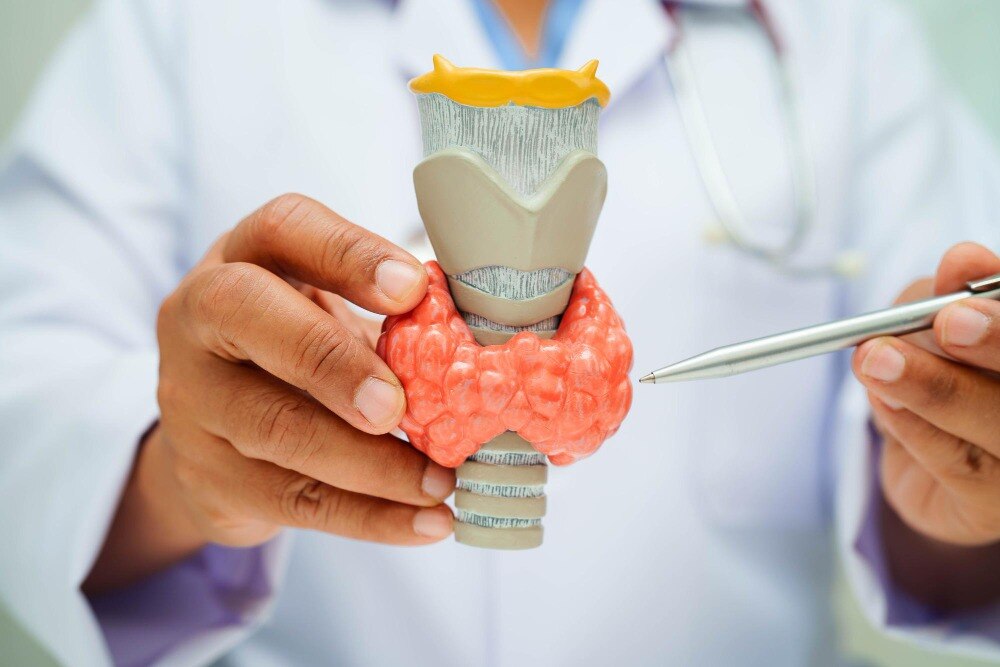
Antibody tests add cause, not a general health score. TPO antibodies support autoimmune thyroid disease in hypothyroidism, while TSH-receptor antibodies support Graves disease in hyperthyroidism. Ultrasound helps evaluate a palpable lump, enlarged thyroid or nodule; it does not replace blood tests and is not routine when the thyroid feels normal.
Tell the clinician about biotin in hair, skin or nail supplements: it can falsely lower TSH and raise free T4 or free T3. This detail belongs in any thyroid management in Pune plan, including hypothyroidism management in Pune.
How should you prepare for a thyroid appointment and levothyroxine review?
Bring your medicine strip, dose, prescription, previous TSH and free T4 reports, and a timeline of symptoms. Note missed doses, pregnancy or plans for pregnancy, family thyroid history, and every supplement, including biotin, iodine, kelp and “thyroid support” products.
Biotin can falsely lower TSH and raise T4 or T3, so ask when to stop it before testing.
- Take levothyroxine with water on an empty stomach, 30–60 minutes before breakfast, at the same time each day.
- If bedtime suits your routine better, take it several hours after your last meal and keep that timing consistent.
- Separate calcium, iron and calcium-containing antacids from levothyroxine by about four hours.
- Do not change the dose, switch brands, or add iodine supplements without discussing it with your clinician.
After starting levothyroxine or changing the dose, arrange TSH testing after about six to eight weeks; testing sooner can reflect the old dose. Your clinician should interpret TSH with free T4, symptoms, pregnancy status and adherence before deciding on a change.
If TSH is mildly high, one result does not automatically mean lifelong treatment: repeat testing about three months apart can clarify the decision. Persistent fatigue, weight change or poor concentration needs evaluation for sleep problems, anaemia, diabetes, mood conditions and medicine effects when TSH is in range.
This is sensible hypothyroidism management in Pune, where work schedules should not replace planned monitoring.
Why is hyperthyroidism treatment chosen case by case?
A low TSH does not determine treatment by itself. Free T4, free T3, the cause of hyperthyroidism, pregnancy plans, eye disease, other illnesses and personal preferences all affect the decision.
| Option | Main difference | Important trade-off |
|---|---|---|
| Antithyroid medicine | Carbimazole or methimazole reduces hormone production over weeks | No operation, but relapse is possible and lifelong treatment is not always avoided |
| Radioactive iodine | Gradually destroys overactive thyroid tissue | Avoid during pregnancy and breastfeeding; active thyroid eye disease can influence the choice; hypothyroidism often follows |
| Surgery | Removes part or all of the thyroid and gives rapid control | Useful for a large goitre, suspicious nodule or unsuitable drug treatment; it requires an operation and often lifelong thyroid replacement |
A clinician planning hyperthyroidism management in Pune will also consider whether thyroiditis, Graves disease or toxic nodules caused the overactivity. Do not self-treat with iodine, kelp or “thyroid support” supplements; high iodine intake can worsen thyroid dysfunction.
Get urgent medical assessment if you develop chest pain, fainting, severe breathlessness, confusion, a very fast or irregular heartbeat, high fever or severe vomiting. While taking carbimazole or methimazole, stop the medicine and seek urgent assessment with a blood count for fever, sore throat or mouth ulcers.
These decisions belong in thyroid management in Pune, not in self-directed dose changes.
How can Pune working adults organise ongoing general care around work?
Book thyroid follow-up for a predictable low-demand slot: repeat TSH and, when indicated, free T4 about 6–8 weeks after a levothyroxine dose change. Once your dose is stable, use the interval your clinician sets.
Tell the laboratory and clinician about biotin hair, skin or nail supplements; they can falsely lower TSH and raise free T4 or free T3, so follow instructions about stopping biotin before testing.
Use this checklist to keep general care in Pune workable across shifts and travel:
- Keep a dated record of symptoms, doses, missed tablets, supplements and previous results. Carry enough prescribed medicine for the trip, plus the prescription or a photograph of it.
- Arrange blood tests near home or work, and book the review before leaving the laboratory. Do not self-prescribe iodine, kelp or “thyroid support” products; excess iodine can trigger thyroid dysfunction.
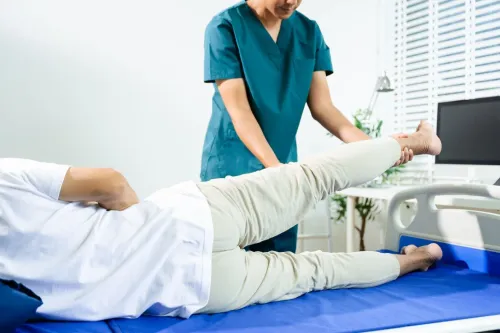
- For ordinary low-back pain without warning signs, continue normal activity and arrange exercise or physiotherapy rather than rushing to imaging. Imaging matters when its result could change treatment.
- Seek urgent assessment for progressive limb weakness, new bladder or bowel problems, saddle-area numbness, fever, major trauma, unexplained weight loss, or a cancer or infection history.
- If taking carbimazole or methimazole, stop it and seek urgent assessment with a blood count for fever, sore throat or mouth ulcers.
General care and thyroid management for working adults in Pune works best when one clinician coordinates results, medication and joint or back problems. Vivaan General Care And Orthopaedic Clinic can provide that combined review when thyroid symptoms and musculoskeletal complaints overlap.
Related service
Hypothyroidism and Hyperthyroidism Management Hypothyroidism and Hyperthyroidism Management Thyroid Disorder Consultation provides medical evaluation, diagnosis, and ongoing management of thyroid conditions, including hypothyroidism... View service → |
Frequently asked questions
Which thyroid symptoms deserve a proper medical review?
Arrange a review for persistent fatigue, unusual cold sensitivity, constipation, dry skin, hair thinning, weight gain, or heavier or irregular periods. Weight loss, heat intolerance, sweating, tremor, a racing or irregular heartbeat, anxiety, poor sleep, or frequent stools need assessment for possible hyperthyroidism.
What do TSH, free T4 and free T3 results actually show?
TSH shows how strongly the pituitary is signalling the thyroid. Free T4 measures circulating unbound thyroxine and helps assess thyroid hormone production. Free T3 measures unbound triiodothyronine and is particularly useful when hyperthyroidism is suspected; a clinician interprets all results with symptoms and medication history.
How should you prepare for a thyroid appointment and levothyroxine review?
Bring your test reports, medicine strip or dose details, supplement list, symptom timeline, and questions about missed doses. Take levothyroxine consistently as prescribed and tell the clinician about iron, calcium, antacids, biotin, pregnancy, and changes in brands or dosing.
Why is hyperthyroidism treatment chosen case by case?
Treatment depends on the cause, hormone levels, symptoms, age, pregnancy status, heart rhythm, other illnesses, and the risk of complications. Options can include antithyroid medicine, radioactive iodine, or surgery, with symptom control such as a beta blocker when appropriate.
How can Pune working adults organise ongoing general care around work?
Book reviews before symptoms disrupt attendance, keep a digital record of results and doses, set a daily medicine reminder, and schedule repeat testing when your clinician advises. A general care clinic in Pune can coordinate thyroid follow-up with concerns such as blood pressure, fatigue, mobility, or other ongoing health needs.
Keywords