Pain, stiffness, swelling, weakness, numbness, or difficulty walking can come from a muscle, tendon, ligament, joint, bone, or compressed nerve. Knowing what happens during assessment—and when imaging, blood tests, physiotherapy, medication, or referral is appropriate—helps you seek the right level of care without treating every ache as an emergency.
Key takeaways
- Seek assessment for persistent pain, swelling, stiffness, weakness, or reduced movement.
- Bring injury details, medicines, medical records, and prior scan reports to your appointment.
- Tests work best when examination findings point to a specific cause.
- Treatment may combine activity changes, medicines, physiotherapy, injections, or surgery.
Which symptoms belong in a bones and joints clinic?
Joint pain, joint swelling, stiffness, or reduced range of motion belong in a bones and joints clinic when they persist, recur, follow an injury, or interfere with sleep, work, exercise, or daily tasks. Assessment also fits back or neck pain, muscle pain, limb weakness, numbness, an altered gait, or difficulty walking.
Early examination can identify whether the problem involves a joint, tendon, muscle, bone, or nerve.
| Symptom pattern | Arrange an assessment when | Seek urgent care when |
|---|---|---|
| Pain after an injury | You cannot use the limb normally, or pain and swelling do not improve | The limb looks deformed, or a fracture follows significant trauma |
| Swelling or stiffness | The joint remains swollen, hot, or difficult to move | Severe swelling develops rapidly with fever or marked illness |
| Numbness or weakness | Symptoms persist, spread, or affect grip, balance, or walking | Weakness progresses quickly, or the limb becomes cold, pale, or blue |
| Back or neck pain | Pain limits movement or continues despite basic care | New bladder retention, incontinence, saddle-area numbness, or major leg weakness appears |
Escalate promptly for fever with severe joint pain, unexplained weight loss, a history of cancer, or pain after prolonged steroid use. A cast or splint also needs prompt review if pain worsens, fingers or toes become numb, blue, pale, or excessively tight.
What happens during the first appointment?
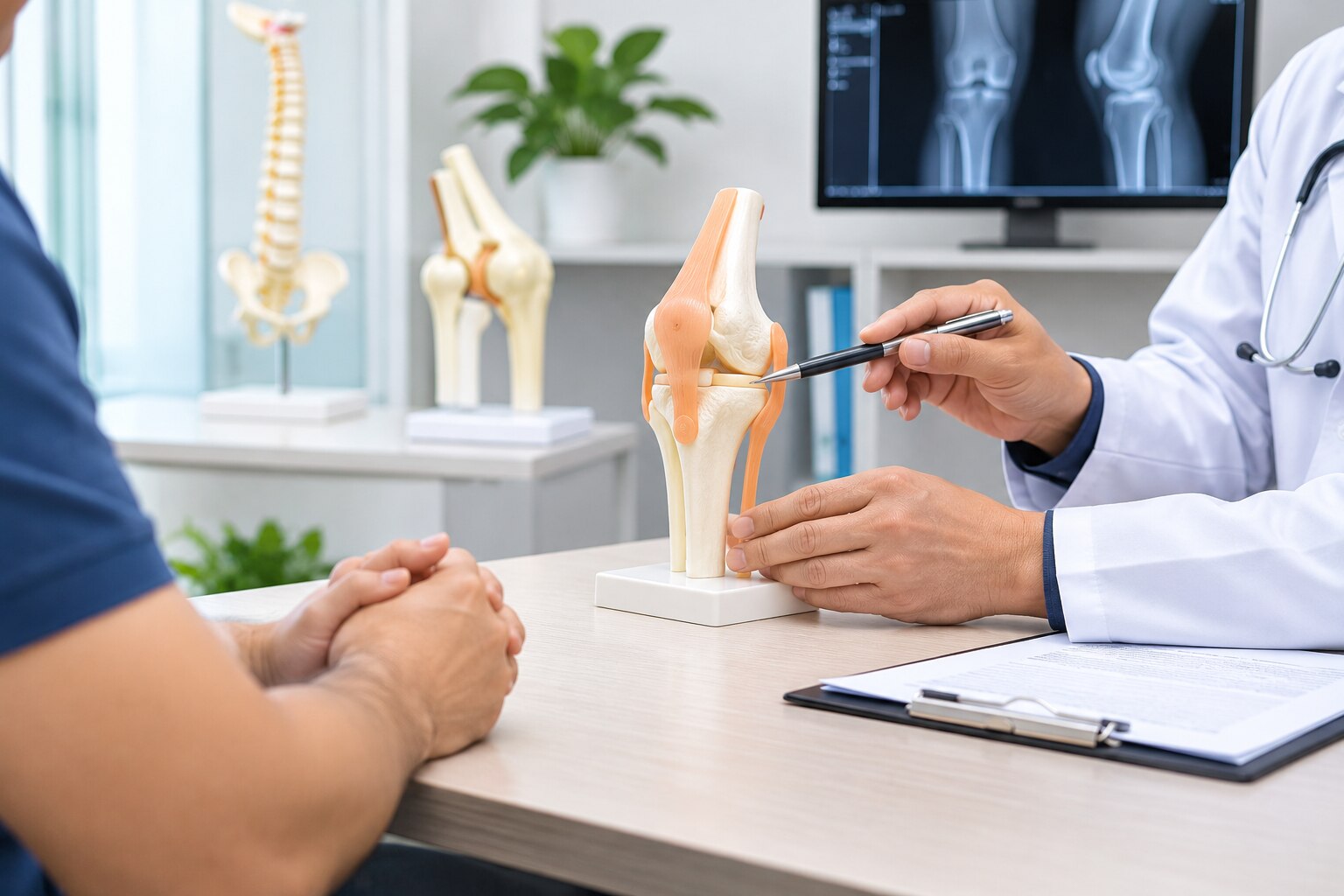
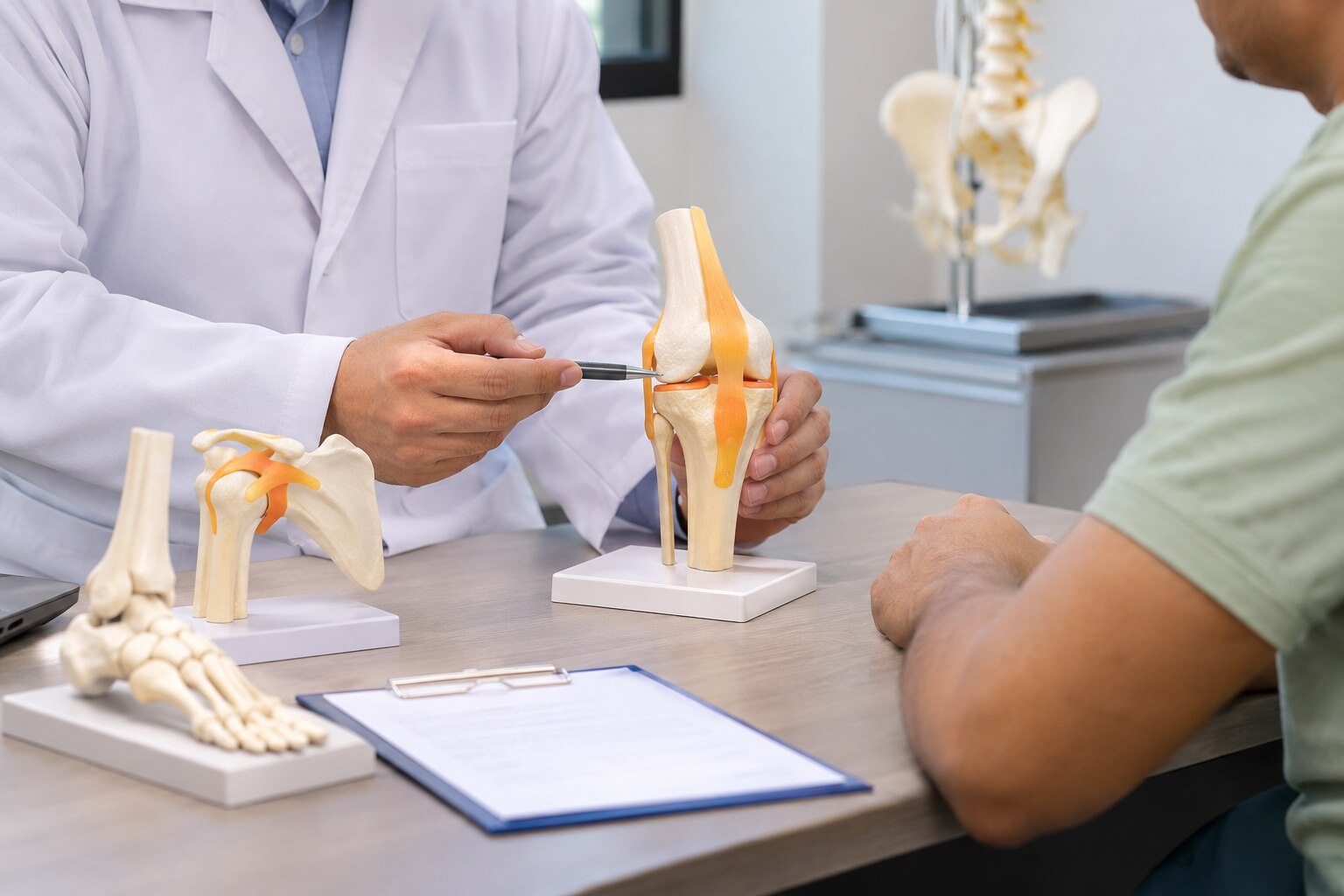
A bones and joints clinic appointment usually starts with questions and a hands-on examination, not an automatic scan. Your answers help the clinician locate the affected structure, understand how it was stressed, and decide whether further testing could change treatment.
Expect questions about:
- The exact pain location, timing, severity, and activities that worsen or relieve it
- The injury mechanism, such as a fall, twist, lifting effort, or direct blow
- Swelling, stiffness, weakness, numbness, altered sensation, or difficulty walking
- Activities you can no longer perform at work, home, or during exercise
- Previous scans, operations, injections, and relevant conditions
- Your medication review, including anticoagulants, steroids, painkillers, and supplements
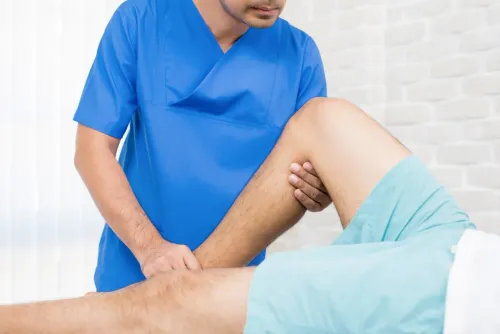
The physical examination checks the painful area and compares it with the opposite side. A range of motion examination shows whether pain or stiffness limits movement, while resisted movements and strength tests help distinguish muscle, tendon, and joint problems.
The clinician may also assess:
- Tenderness, swelling, bruising, deformity, or warmth
- Joint stability and signs of ligament injury
- Muscle power, sensation, and reflexes
- Posture, gait, and circulation beyond the injured area
Testing follows the findings. An ankle injury with bone tenderness at specific sites or inability to take four steps may meet the Ottawa Ankle Rules for an X-ray, but those rules do not replace examination.
Persistent fracture suspicion, complex injury, or symptoms that do not fit the initial diagnosis may require repeat X-rays, CT, or MRI.
How are common causes identified, and when are tests useful?
Clinicians identify the likely cause from the pain’s location, onset, injury mechanism, swelling, movement, strength, gait, sensation, reflexes, and circulation before ordering tests. A scan is useful when it can confirm the suspected structure or change treatment.
- A muscle strain causes pain with resisted movement or stretching and is usually diagnosed clinically. Ultrasound or MRI helps when a major tear, persistent weakness, or an alternative diagnosis is suspected.
- A ligament sprain causes tenderness and instability after a twist or impact. X-ray checks for an associated fracture; ultrasound or MRI assesses significant ligament or cartilage injury.
- Osteoarthritis produces activity-related joint pain, brief stiffness, and reduced motion. X-ray can show joint-space loss and bone spurs when the diagnosis is uncertain or treatment decisions depend on severity.
- Inflammatory arthritis causes prolonged morning stiffness, swollen joints, warmth, or symptoms in several joints. Blood tests such as ESR, CRP, rheumatoid factor, and anti-CCP support assessment but do not replace examination.
- Tendon injuries cause pain with a specific loaded movement. Ultrasound shows many tendon tears; MRI helps assess deeper or complex damage.
- Nerve compression causes tingling, numbness, weakness, altered reflexes, or radiating pain. MRI and nerve-conduction studies are chosen when symptoms persist, progress, or require procedural planning.
- A suspected fracture needs targeted X-rays, sometimes including the joints above and below. Repeat X-rays, CT, or MRI can detect an occult, stress, or complex fracture after an initially normal film.
- Referred pain comes from another source, such as the spine or hip, so imaging targets that source rather than the painful area.
How is treatment selected for pain, injury, and loss of function?
Treatment is selected by the affected structure, severity, safety risks, and the function you need back—not by pain intensity alone. A mild strain may need temporary activity modification and prescribed pain relief; a displaced fracture, unstable joint, or progressive weakness needs prompt orthopaedic assessment.
| Option | What it does | When it fits |
|---|---|---|
| Activity modification | Reduces harmful load without complete rest | Pain rises with a specific task; prolonged rest risks stiffness and weakness |
| Medication | Controls pain so movement is possible | Choice accounts for kidney disease, ulcers, pregnancy, anticoagulants, diabetes, and other medicines |
| Bracing or other supports | Limits harmful motion or adds stability | Sprain, instability, or selected fracture; prolonged use can weaken muscles |
| Therapeutic exercise | Builds strength, mobility, balance, and tolerance | Osteoarthritis, tendon problems, and recovery after injury |
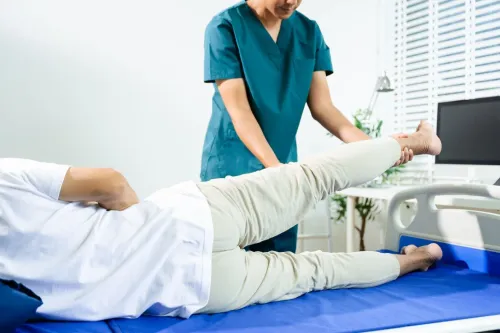
| Physiotherapy | Progresses exercise, gait, proprioception, load management, and self-management | Function remains limited or you need a graded return to work or sport |
| Weight management | Reduces joint loading | Hip, knee, or foot osteoarthritis with overweight; 10% loss is likely to help more than 5% |
| Injection | Provides short-term symptom relief | A selected osteoarthritis flare; corticosteroid benefit is usually 2–10 weeks, not a replacement for exercise |
| Fracture care | Aligns, immobilises, and reviews healing | Confirmed or suspected fracture, with imaging and circulation checks |
| Surgery assessment | Weighs repair or replacement against non-operative care | Persistent disability, structural damage, or failed appropriate conservative treatment |
Before exercise, medication, injection, or immobilisation, disclose osteoporosis, steroid use, frailty, and previous surgery. Your recovery goal—better walking, sleep, work, or independence—may matter more than eliminating every ache.
How should you prepare, follow up, and decide where to seek care?
Bring a symptom record to the appointment: when pain began, what triggers it, night symptoms, swelling, numbness, weakness, injury details, and activities you can no longer do. Include previous X-rays and MRI reports, blood-test results, medication list, and details of prior surgery or physiotherapy.
- Tell the clinician about anticoagulants, kidney disease, stomach ulcers, pregnancy, diabetes, osteoporosis, steroid use, frailty, and allergies. These details can change the safest anti-inflammatory medicine, injection, imaging test, splint, or referral.
- Ask what the working diagnosis is, which treatment goal comes first, and what improvement should occur by the next review. For osteoarthritis with overweight or obesity, discuss weight management; losing 10% of body weight is likely to help more than losing 5%.
- Book a follow-up review when pain, movement, strength, or function needs reassessment. After a fracture, the review should check alignment, swelling, skin, circulation, sensation, and nerve function, not just whether pain has eased.
- Seek urgent referral for worsening severe pain, a deformed limb, inability to bear weight after injury, new limb weakness, loss of bladder or bowel control, fever with a hot swollen joint, or numbness with blue or pale fingers or toes.
For non-urgent symptoms, Vivaan General Care And Orthopaedic Clinic can coordinate general medical, orthopaedic, and physiotherapy evaluation, helping match follow-up to the suspected problem rather than ordering tests automatically. A normal X-ray still needs reassessment if symptoms persist, because tendon injuries, stress injuries, and occult fractures can require ultrasound or MRI.
Frequently asked questions
Which symptoms belong in a bones and joints clinic?
Seek assessment for persistent or recurring joint pain, swelling, stiffness, reduced range of motion, back or neck pain, muscle pain, limb weakness, numbness, altered gait, or difficulty walking. An appointment is also appropriate after an injury or when symptoms affect sleep, work, exercise, or daily tasks.
What happens during the first appointment?
The clinician reviews your symptoms, injury history, medical conditions, medicines, and effect on daily activities. They examine movement, strength, walking pattern, swelling, tenderness, and joint stability before deciding whether tests or treatment are needed.
When are tests useful for musculoskeletal problems?
Tests are useful when the examination suggests a fracture, dislocation, arthritis, tendon or ligament injury, nerve involvement, infection, or another condition requiring confirmation. X-rays show bone alignment and fractures; ultrasound assesses some tendons and soft tissues; MRI provides detailed images of joints, discs, ligaments, and nerves; blood tests help investigate inflammation or infection.
How is treatment selected for pain, injury, or loss of function?
Treatment depends on the diagnosis, symptom severity, injury timing, overall health, and effect on function. Options include activity modification, pain relief, targeted exercises, physiotherapy, supports, injections, or surgery when conservative care cannot restore safe movement.
How should you prepare for and follow up after an appointment?
Write down when symptoms began, what worsens or relieves them, and any injury or fever. Bring medicine names, medical records, scan reports, and questions. Follow the exercise, medication, and review plan, and seek urgent care for a deformed limb, inability to bear weight after injury, new severe weakness or numbness, or a hot swollen joint with fever.
Keywords