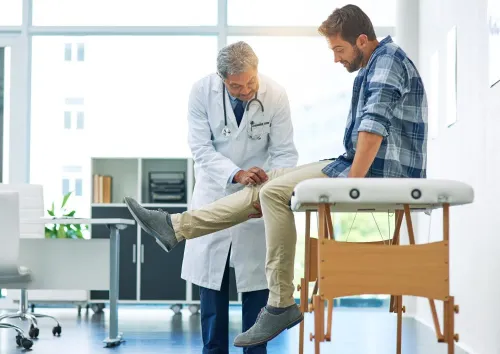

Back pain can come from strained tissues, irritated nerves, hip or sacroiliac problems, or a serious condition that needs prompt treatment. By the end, you will know when specialist assessment is useful, which warning signs require urgent care, and what a sensible clinic visit should include before scans, injections or surgery are considered.
Key takeaways
- Seek urgent care for weakness, loss of bladder control, or numbness around the genitals.
- Stay active with tolerable movement; avoid prolonged bed rest for ordinary back pain.
- Expect a neurological examination before an MRI unless serious warning signs exist.
- Compare clinics by assessment quality, conservative treatment options, and clear referral plans.
When does back pain need a spine specialist rather than home care?
Back pain after lifting, prolonged sitting, or an awkward movement is usually nonspecific mechanical pain. If it steadily improves over several weeks, you can usually continue home care, stay active within tolerable limits, and avoid prolonged bed rest, which can increase stiffness and delay recovery.
1. Arrange a routine specialist appointment if pain persists, repeatedly returns, limits walking, work, sleep or daily activities, or travels down a leg with tingling, numbness or weakness. A spine clinic near Bibavewadi Pune for back pain can assess whether the cause is mechanical back pain, sciatica, hip disease, sacroiliac pain or another condition.
2. Seek urgent medical assessment for fever, unexplained weight loss, a history of cancer, immunosuppression, intravenous drug use, major trauma, or severe pain that is unrelenting or worse at night. These signs raise concern for infection, cancer or fracture rather than ordinary strain.
3. Go to an emergency department immediately for new loss of bladder or bowel control, numbness around the saddle area, or rapidly worsening weakness in both legs. These symptoms can indicate cauda equina syndrome or another serious neurological problem, so do not wait for a routine spine clinic appointment.
What will a proper back-pain assessment check before ordering an MRI?
A proper assessment starts with questions and examination, not an automatic MRI. Most new low-back pain is nonspecific and improves within weeks, so a scan adds little when its result will not change treatment.
1. The clinician asks when pain began, whether an injury occurred, where it travels, and whether tingling, numbness or weakness is present. They also ask what worsens or eases it, which medicines and treatments you have tried, and how pain affects sleep, walking, work and daily activities.
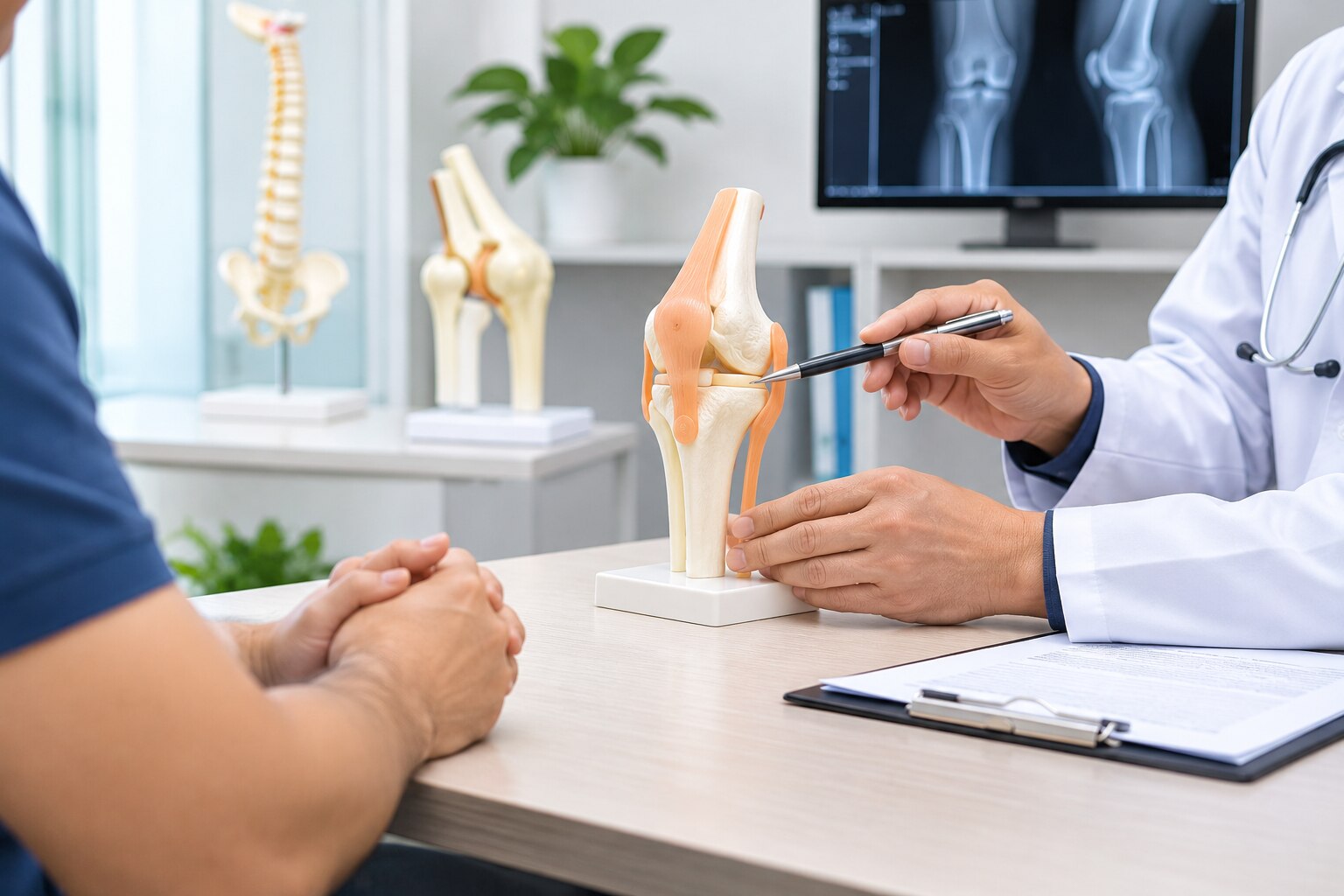
2. The examination checks spinal movement, leg strength, sensation, reflexes and gait. Hip, sacroiliac and nerve-root tests help distinguish sciatica from hip disease, sacroiliac pain, peripheral neuropathy and local back pain.
3. Routine X-rays, CT scans and MRI are not recommended for uncomplicated low-back pain when the result will not alter care. MRI becomes useful when significant nerve compression, infection, cancer, fracture or surgical planning is suspected because it shows discs, nerves, the spinal cord and soft tissues.
A disc bulge or arthritis on MRI does not prove it causes your pain; these findings occur in people without symptoms. Imaging must match the pain pattern and examination. Seek emergency care for new bladder or bowel changes, saddle-area numbness or progressive weakness in both legs rather than waiting for a spine clinic Pune appointment.
An orthopedic doctor for back pain Pune patients consults should explain the working diagnosis and why imaging is, or is not, needed.
What treatments should a spine clinic offer for ordinary back pain and sciatica?
Ordinary low-back pain usually starts with reassurance, normal activity as tolerated and a structured exercise programme—not bed rest, injections or immediate surgery. The best back pain care Bibavewadi offers is a programme you can perform safely and consistently.
A suitable programme may include:
- Strengthening exercises for the trunk, hips and legs
- Aerobic activity such as walking or cycling
- Biomechanical training for lifting, bending and posture
- Mind-body exercises that improve movement and confidence
Physiotherapy and activity coaching can improve sitting tolerance, conditioning, lifting technique and return to work. Manual therapy or spinal manipulation can support exercise, but repeated passive sessions should not replace active rehabilitation.
Medication requires a safety review. Check stomach, kidney, liver and cardiovascular risks, plus interactions with your current medicines, before using an NSAID; if appropriate, use the lowest effective dose for the shortest period. Paracetamol alone is not recommended for low-back pain by the NICE guideline, and opioids are not recommended for chronic low-back pain.
Sciatica needs a neurological assessment because leg pain, tingling, numbness or weakness can indicate nerve-root irritation. Spinal injections are not general treatment for nonspecific back pain. An epidural containing local anaesthetic plus steroid may be considered for acute, severe sciatica in selected patients after examination.
When are injections, surgery or specialist referral actually appropriate?
An injection or operation is not the automatic next step at a spine clinic in Pune. Spinal decompression is not routine treatment for ordinary local back pain without nerve symptoms; an operation is usually not the default answer.
| Option | What it addresses | When it applies |
|---|---|---|
| Exercise-based care | Local pain and limited function | First choice for most uncomplicated back pain |
| Injection | Severe nerve-root pain | Selected acute sciatica after assessment |
| Decompression surgery | Pressure on a spinal nerve | Sciatica persists despite non-surgical care, and MRI matches the symptoms |
| Urgent surgical assessment | Severe neurological compromise | Progressive weakness, new bladder or bowel dysfunction, or saddle numbness |
Surgery for sciatica is considered when a structured non-surgical plan has not improved pain or function and MRI shows compression that fits the leg symptoms. Progressive or severe weakness requires urgent assessment rather than a routine referral.
Before recommending an injection or operation, the clinician should explain the expected benefit, alternatives, recovery demands and risks. An injection is not general treatment for nonspecific back pain.
Referral is most useful when the diagnosis is uncertain, weakness is developing, pain still limits work or sleep despite a structured plan, or targeted imaging could change treatment. An orthopedic doctor for back pain in Pune should match the scan to your examination, not treat an abnormal MRI alone.
A spine clinic Pune visit should help select the right level of care, not escalate it.
How can you choose a local clinic and prepare for a useful appointment?
Choose back pain care Bibavewadi by the process, not the signboard. The business is one local option to assess against clinics near NIBM Road: a useful service takes a detailed history, checks strength, sensation, reflexes, gait and movement, and explains why imaging is or is not needed.
| Clinic feature | Question to ask | Why it matters |
|---|---|---|
| Urgent triage | How do you handle new bladder or bowel changes, saddle numbness, fever or worsening weakness? | These symptoms can require emergency assessment, not a routine appointment. |
| Rehabilitation | Is physiotherapy or activity coaching coordinated with treatment? | Exercise, strengthening, aerobic work and safe movement usually matter more than repeated passive sessions. |
| Follow-up | Who reviews me if pain, numbness or weakness changes? | A clear review point prevents deterioration from being missed. |
| Medication advice | Will you check my NSAIDs, other medicines, kidney, stomach and heart risks? | Self-prescribing painkillers can cause avoidable harm. |
Prepare these details before you go:
- Onset date, injury or trigger, pain route, numbness and weakness
- Fever, unexplained weight loss, cancer history and sleep disruption
- Walking, work and daily activities that pain limits
- Medicines, including over-the-counter NSAIDs, previous reports and MRI discs
- Treatments already tried and what happened
Do not assume an old scan explains a new episode. Leave with a working diagnosis, warning signs, a safe activity plan, medication instructions and a review date. That is the practical value of a spine clinic near Bibavewadi Pune for back pain over repeated massage, unverified exercises or self-prescribed medication.
Frequently asked questions
When does back pain need a spine specialist rather than home care?
Arrange specialist assessment when pain persists despite several weeks of sensible home care, repeatedly returns, travels below the knee, or causes numbness, tingling, or weakness. Seek urgent care for new bladder or bowel control problems, saddle numbness, progressive leg weakness, fever with severe back pain, major trauma, or a history of cancer.
What will a proper back-pain assessment check before ordering an MRI?
A clinician should ask about the onset, injury, pain location, leg symptoms, fever, weight loss, cancer history, and bladder or bowel changes. The examination should check walking, spinal movement, leg strength, reflexes, sensation, and nerve-tension signs. MRI is usually reserved for red flags, progressive neurological deficits, or symptoms that persist when imaging could change treatment.
What treatments should a spine clinic offer for ordinary back pain and sciatica?
Care can include activity guidance, physiotherapy, graded strengthening, posture and lifting advice, heat or cold for comfort, and medication review with attention to stomach, kidney, heart, pregnancy, and drug-interaction risks. Sciatica requires monitoring of strength and sensation, not just pain relief.
When are injections, surgery, or specialist referral appropriate?
Injections are considered when targeted nerve-root or joint pain persists and the expected benefit outweighs risks; they are not routine treatment for uncomplicated back pain. Surgery is usually discussed for progressive nerve damage, cauda equina symptoms, or persistent disabling nerve pain with a matching scan after non-surgical care.
How can you choose a local clinic and prepare for a useful appointment?
Choose a clinic that performs neurological examinations, explains why imaging is or is not needed, offers conservative care, and provides referral pathways for complex cases. Bring symptom dates, triggers, medicines, prior reports and scans, relevant medical history, and a list of questions about recovery and warning signs.
Keywords